Contemporary Religious Architecture in the Mediterranean World – Dost-i

Overview

The conference series “Contemporary Religious Architecture in the Mediterranean World” brought together architects and scholars to explore how modern architecture engages with religious traditions across different faiths.

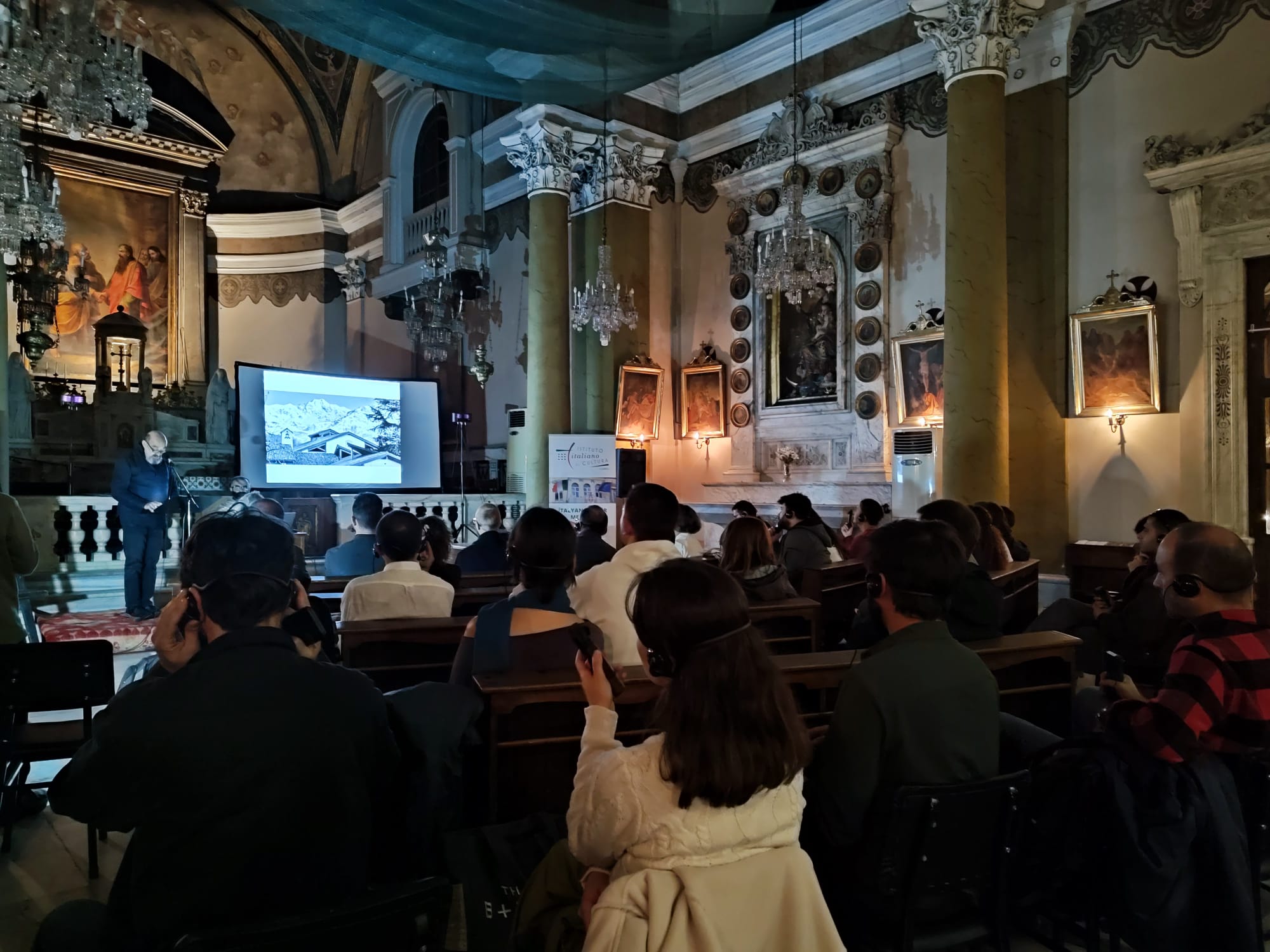
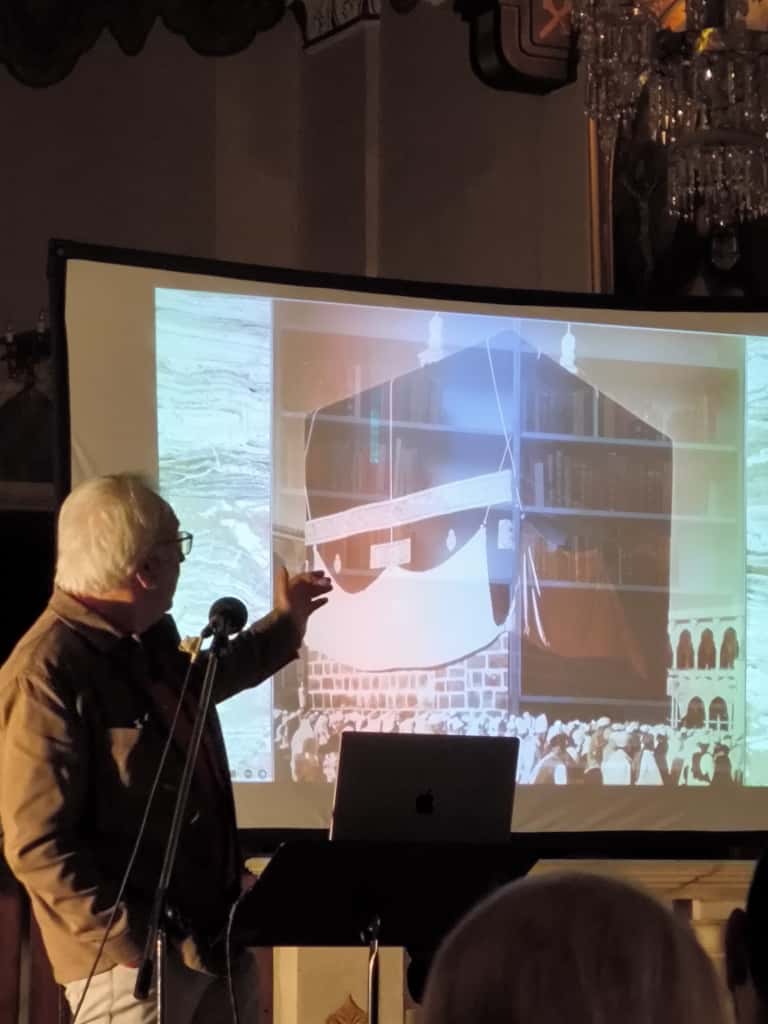
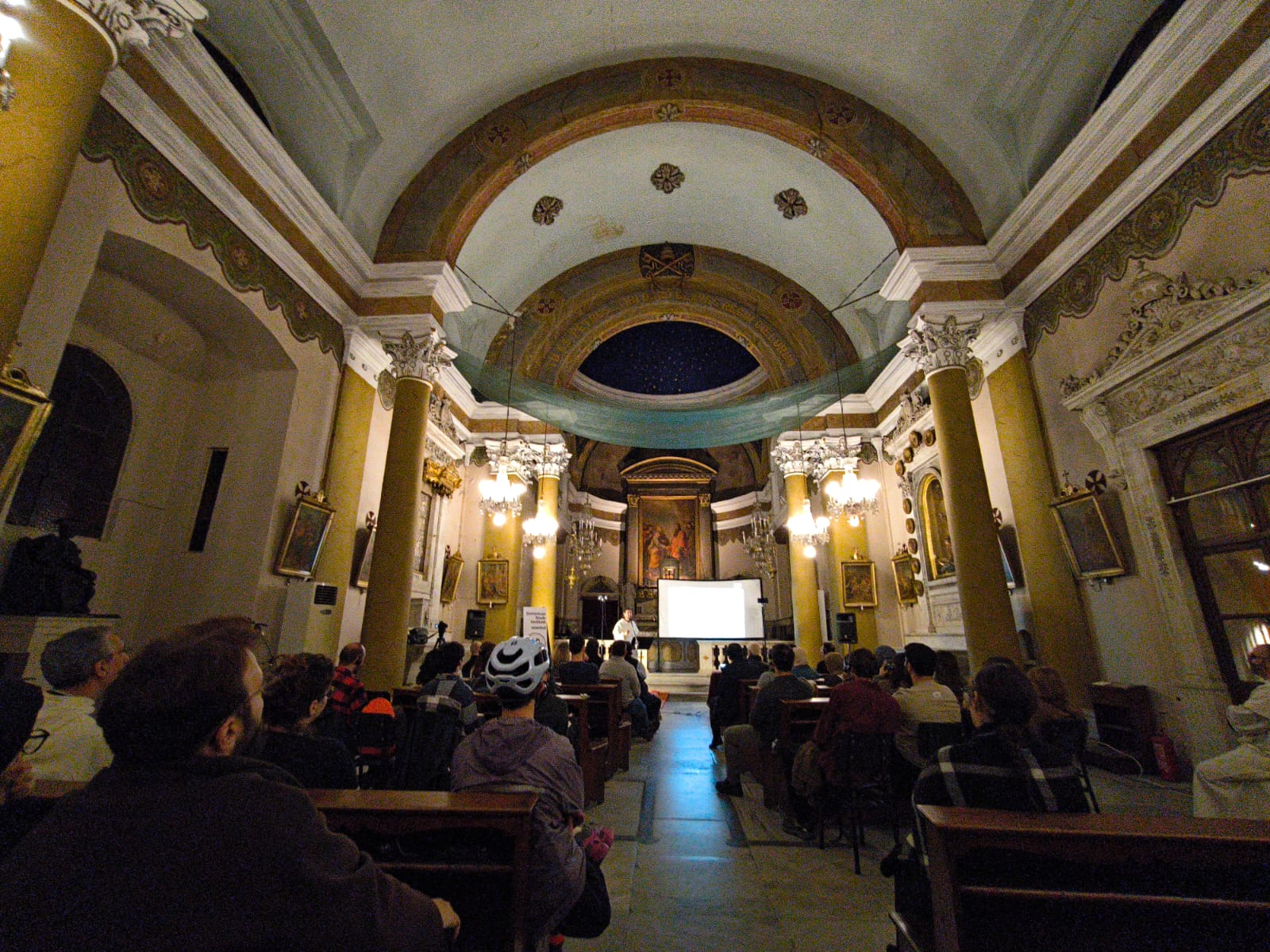
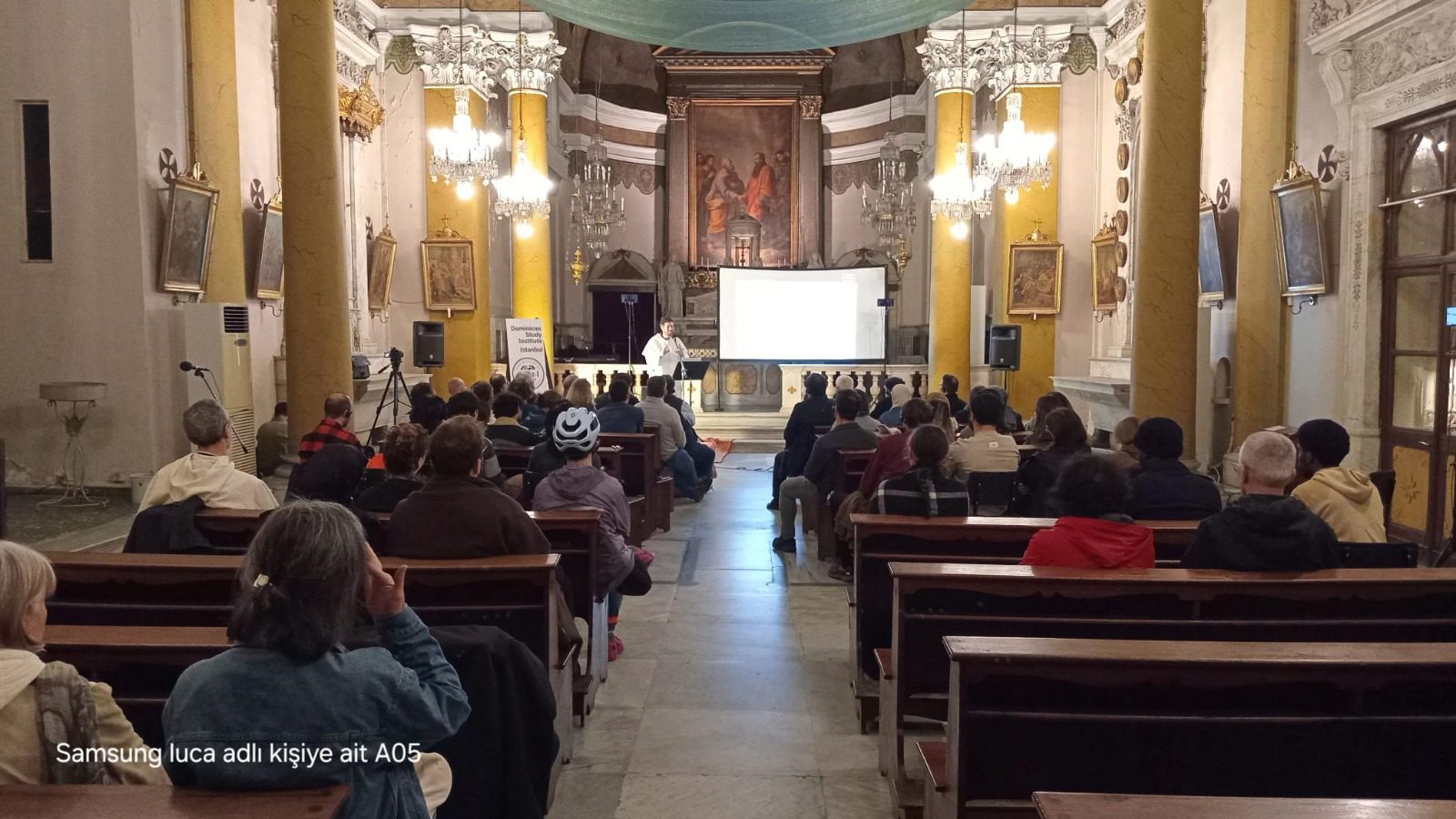
Across 11 sessions, architects responsible for designing mosques, churches, synagogues, and cemevis presented their work and reflected on the challenges of creating sacred spaces in contemporary contexts.

The series was organized in collaboration with Medeniyet University of Istanbul and the Depo Architectural Initiative, with the second phase supported by NCCMR, enabling the continuation of this important interfaith academic initiative.

 

Objectives

  • Examine the relationship between contemporary architecture and religious traditions.
  • Foster interfaith dialogue through architectural practice and shared professional experiences.
  • Explore how sacred spaces are received by religious communities.
  • Highlight the role of cultural, social, and environmental context in religious architecture.
  • Encourage academic and professional engagement among students, architects, and researchers.

Project Activities

  • Conference Series (11 Sessions):
    Presentations by leading architects working on modern religious buildings across the Mediterranean region.
  • Invited Speakers Included:
    • Jurtin Hajro – Architect of the Ballie Mosque (Albania)
    • Michele Badino – Monk and architect (Bose Monastery Church)
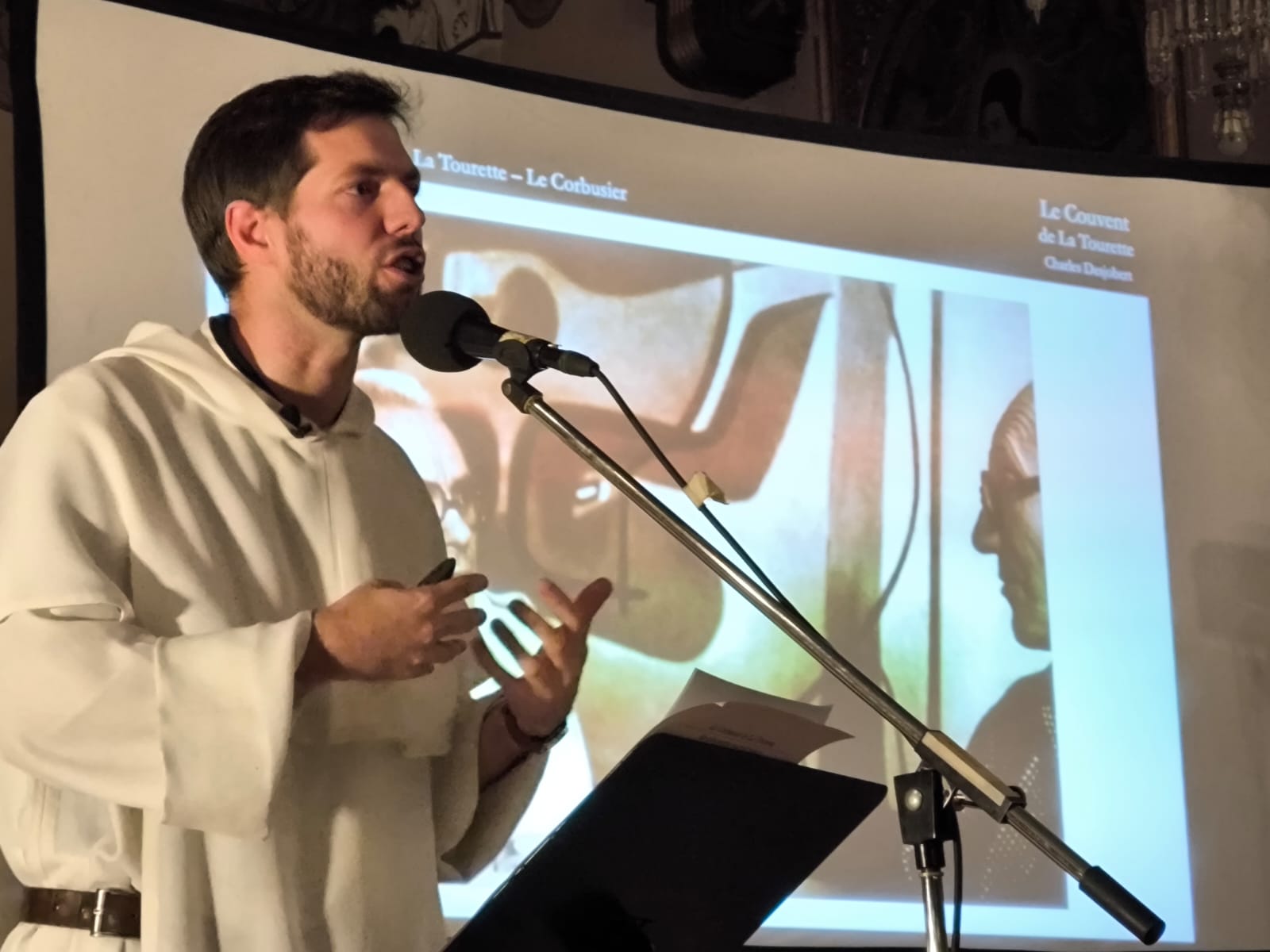
    • Charles Desjobert – Dominican friar and architect (La Tourette Priory)
    • Ercan Ağırbaş – Designer of a synagogue–church–mosque installation (Germany)
    • Waleed Arafa Hassan – Architect of the Basuna Mosque (Egypt)
  • Key Themes Discussed:
    • Balancing modern architectural language with religious symbolism and tradition
    • Community reception of contemporary religious buildings
    • Architect–client relationships
    • Interaction between sacred buildings and their environment
    • The role of the architect’s personal beliefs in designing religious spaces
  • Audience Engagement:
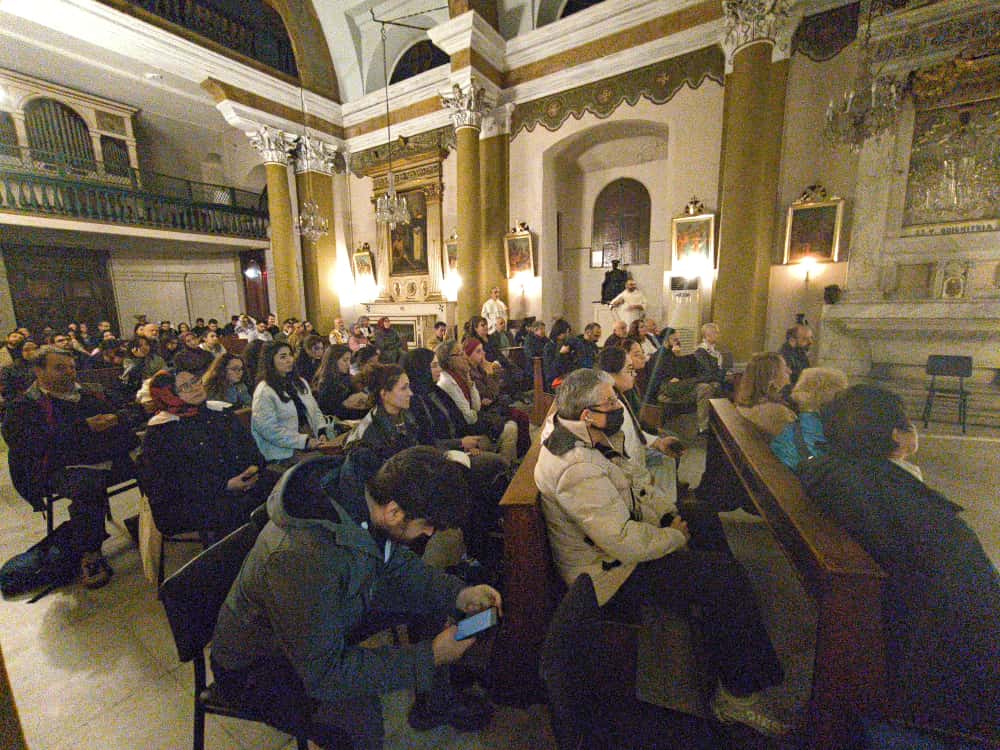
    Sessions included interactive discussions, networking opportunities, and exchange of ideas among architecture students, professionals, and enthusiasts.

Outcomes

  • Greater awareness of shared architectural challenges across different religious traditions.
  • Increased understanding of interreligious influences in contemporary sacred architecture.
  • Strengthened academic and professional dialogue between architects and scholars.
  • Creation of a platform for interdisciplinary exchange between architecture and interfaith studies.
  • Enhanced engagement of students and professionals in discussions on religion, design, and society.

Project Duration :