During the 2025-2026 academic year, Al Mowafaqa Institute launched an eco-theology training
program to help church leaders, theology students, and religious studies students in Morocco
connect faith with the country's growing environmental challenges. Developed with the Diocese of
Rabat and the Evangelical Church in Morocco, the initiative began by forming a joint eco-theology
team and assessing the needs of local churches before designing a focused series of study days and
public engagement activities.
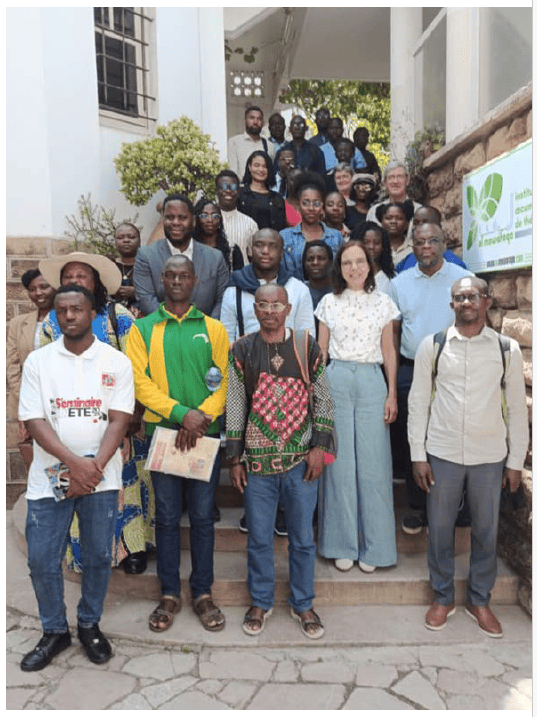
The program brought theological reflection into direct conversation with scientific and social
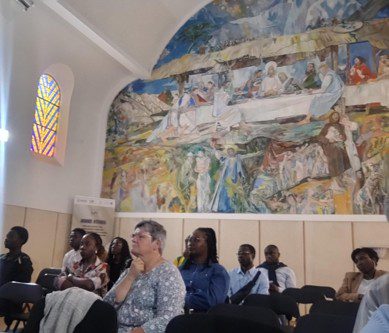
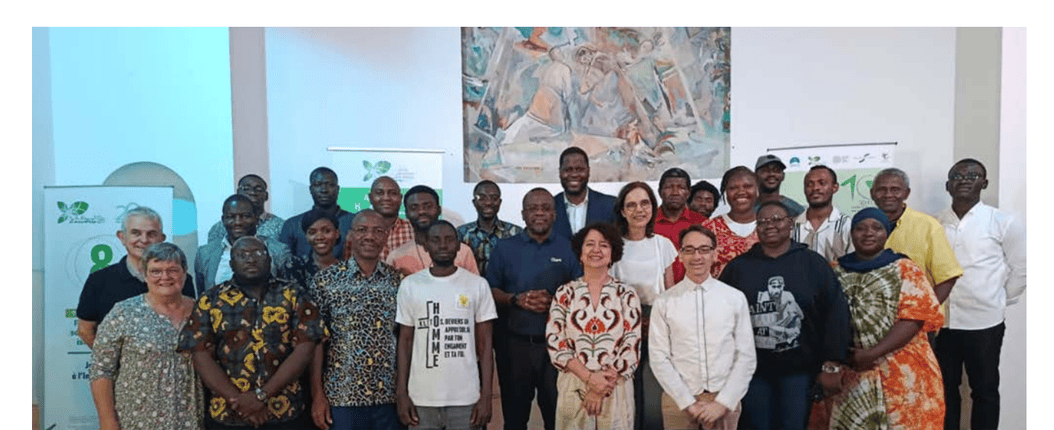
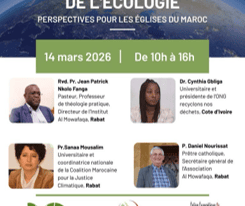
realities. A first study day on 14 March explored biblical foundations for care of creation alongside
Morocco's environmental pressures, including severe water scarcity, urbanization, pollution, and
waste. Participants were encouraged to move from general concern to practical planning, with
workshops helping churches consider concrete local responses.
A second pastoral study day on 30 May introduced the experience of GreenChurches Netherlands
and invited participants to imagine what an "eco-parish" could look like in Morocco. Rather than
importing a European model unchanged, the discussions emphasized small, realistic steps suited to
local conditions: reducing single-use plastics, using water more responsibly, engaging young people
in community clean-up initiatives, and integrating care for creation into worship, teaching, and
church governance.
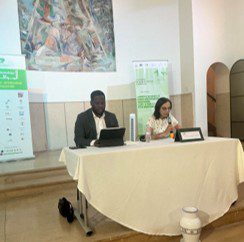
The project also widened the conversation beyond Christian communities. An academic study day
on 1 June and a public conference on 2 June explored eco-theology and interreligious dialogue,
bringing Christian and Muslim perspectives into conversation. Themes included Laudato Si',
Islamic approaches to stewardship and responsibility, climate justice, and the possibility of seeing
ecology itself as a shared theological space. This approach encouraged participants to recognize
environmental care not as a marginal concern, but as an area where religious traditions can learn
from one another and act together constructively.
Across its activities, Green Mowafaqa linked theology, science, pastoral formation, and civic
responsibility. It also created a common space where pastoral leaders, academics, and students
could connect reflection with realistic responses to local needs. Its significance lies not only in
raising awareness, but in helping religious communities develop the language, relationships, and
practical imagination needed for sustained engagement. By grounding ecological responsibility in
faith while responding to Morocco's concrete realities, the project has laid a foundation for future
collaboration among churches, students, religious leaders, and civil society, with the long-term aim
of forming communities that care for creation and contribute to climate justice.