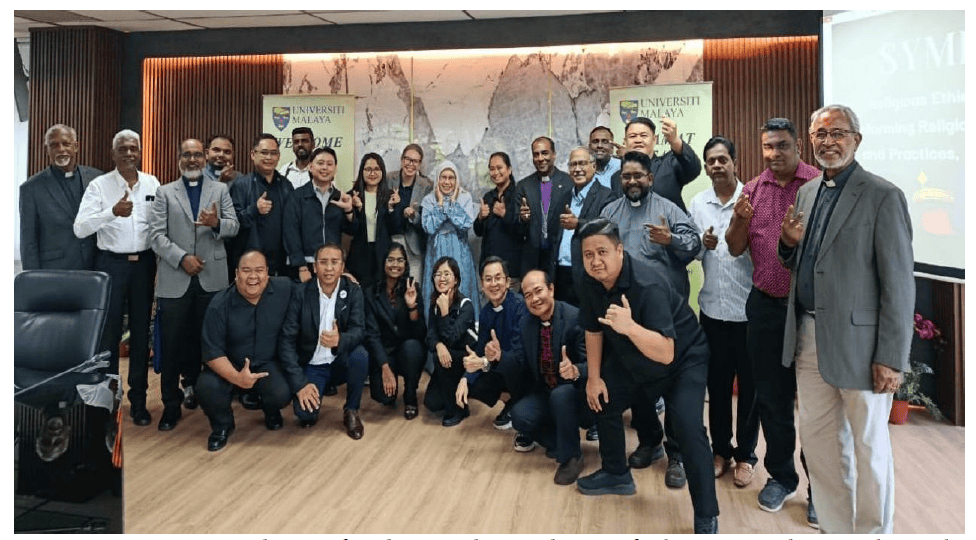
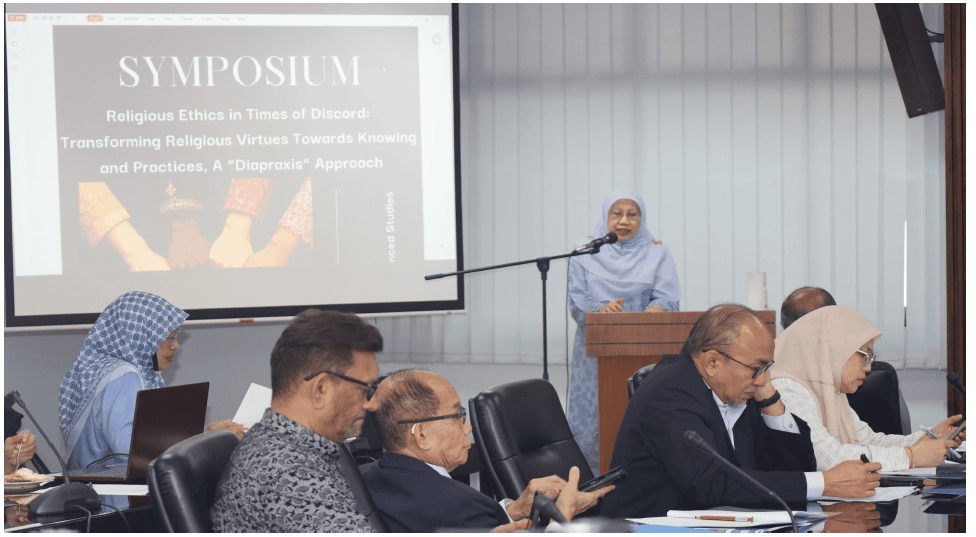
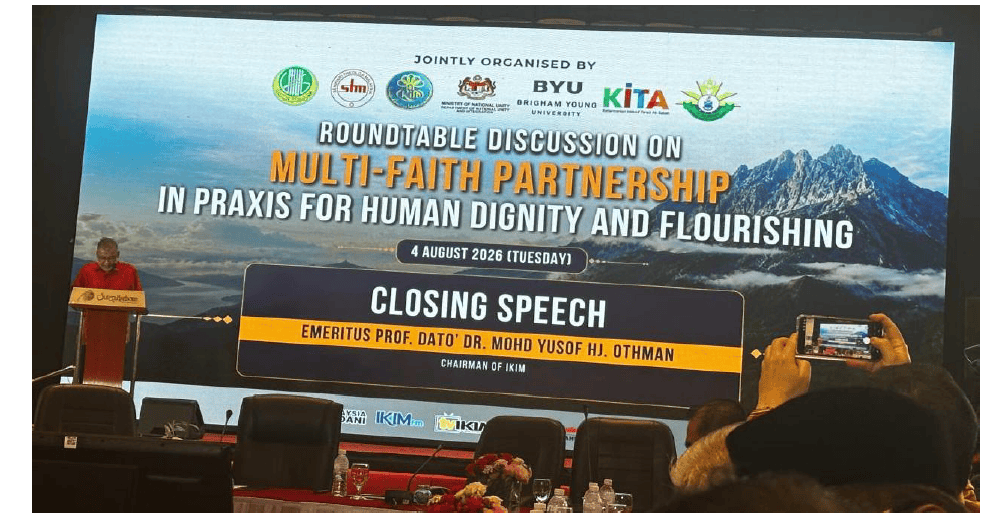
In 2026, the Centre for Religion and Society (CRS) at Seminari Theoloji Malaysia (STM) helped create two significant spaces for interfaith learning, relationship-building, and practical cooperation in Malaysia. Supported by the Network of Centers for Christian-Muslim Relations (NCCMR), these initiatives brought together religious leaders, scholars, students, practitioners, and representatives of different faith communities to explore how religious convictions can contribute to peaceful coexistence, human dignity, and the common good.
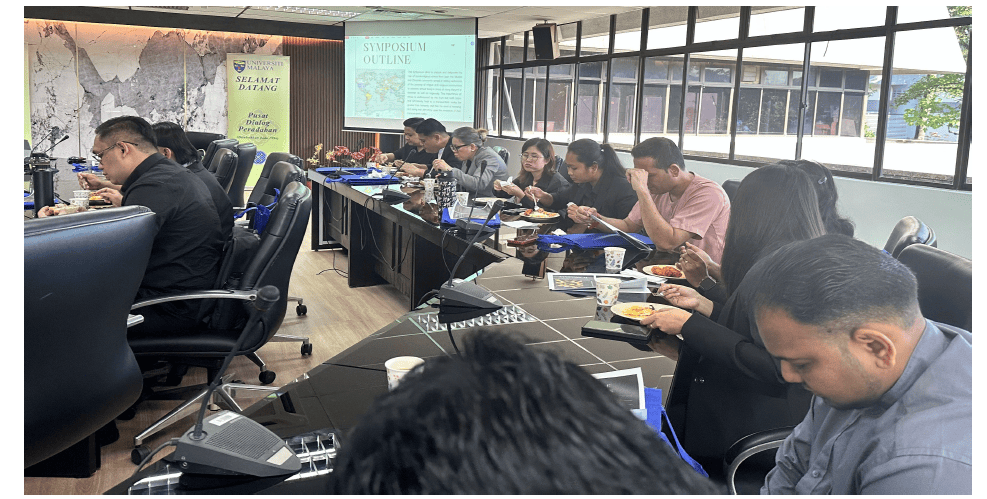
The first engagement, “Religious Ethics in Times of Discord,” was held at the University of Malaya on 26 June 2026. Focusing especially on Muslim-Christian perspectives, the symposium introduced the idea of “Diapraxis”: moving beyond dialogue toward shared practice. Discussions explored how values such as compassion, justice, solidarity, mercy, and responsibility can shape relationships and responses to contemporary social challenges. Twenty-eight participants attended from STM, including faculty members, students, members of the STM Council, and Rev. Dr. Philip Lok, General Secretary of the Council of Churches of Malaysia.
For STM students, the symposium was particularly important. It was their first opportunity to participate in an interfaith symposium of this kind, allowing them to move beyond classroom learning and engage directly with scholars and people from other religious traditions. Students highlighted the value of face-to-face encounters, hospitality, respectful listening, and learning how interfaith dialogue works in practice.
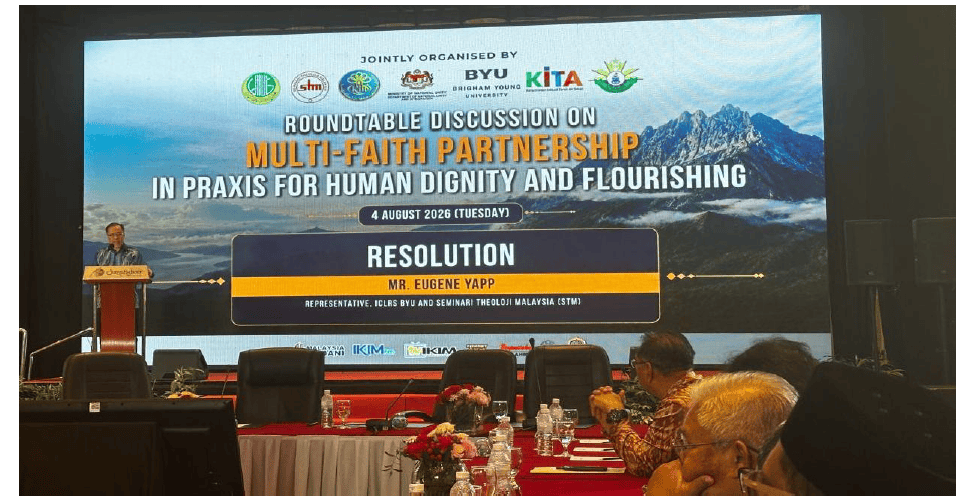
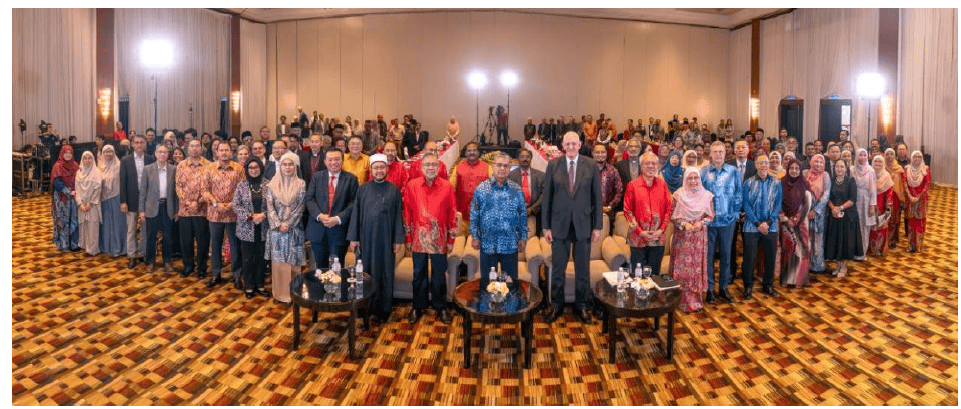
The second engagement, the Roundtable Discussion on Multi-Faith Partnership in Praxis for Human Dignity and Flourishing, took place in Kota Kinabalu on 4-5 August. It extended the conversation from dialogue to practical multi-faith partnership, emphasizing human dignity, social well-being, trust, and collaboration. Participants also visited the Sidang Injil Borneo Church, Tzu Chi Charity Foundation, Puh Toh Si Buddhist Temple, and Kota Kinabalu City Mosque, experiencing firsthand how different communities serve society.
Together, the two initiatives strengthened relationships across religious and institutional boundaries and reinforced CRS’s role as a platform for theological reflection, interfaith engagement, and public responsibility. NCCMR’s support made it possible for CRS-STM to contribute to the planning and implementation of these initiatives and to provide students with meaningful exposure to interfaith practice. The project demonstrated that sustainable interfaith engagement grows when dialogue is joined with relationships, shared experience, and concrete action for a more harmonious and flourishing society. It also created a foundation for future conferences, student exposure, research, and community initiatives that can deepen cooperation and translate shared ethical commitments into meaningful local practice.