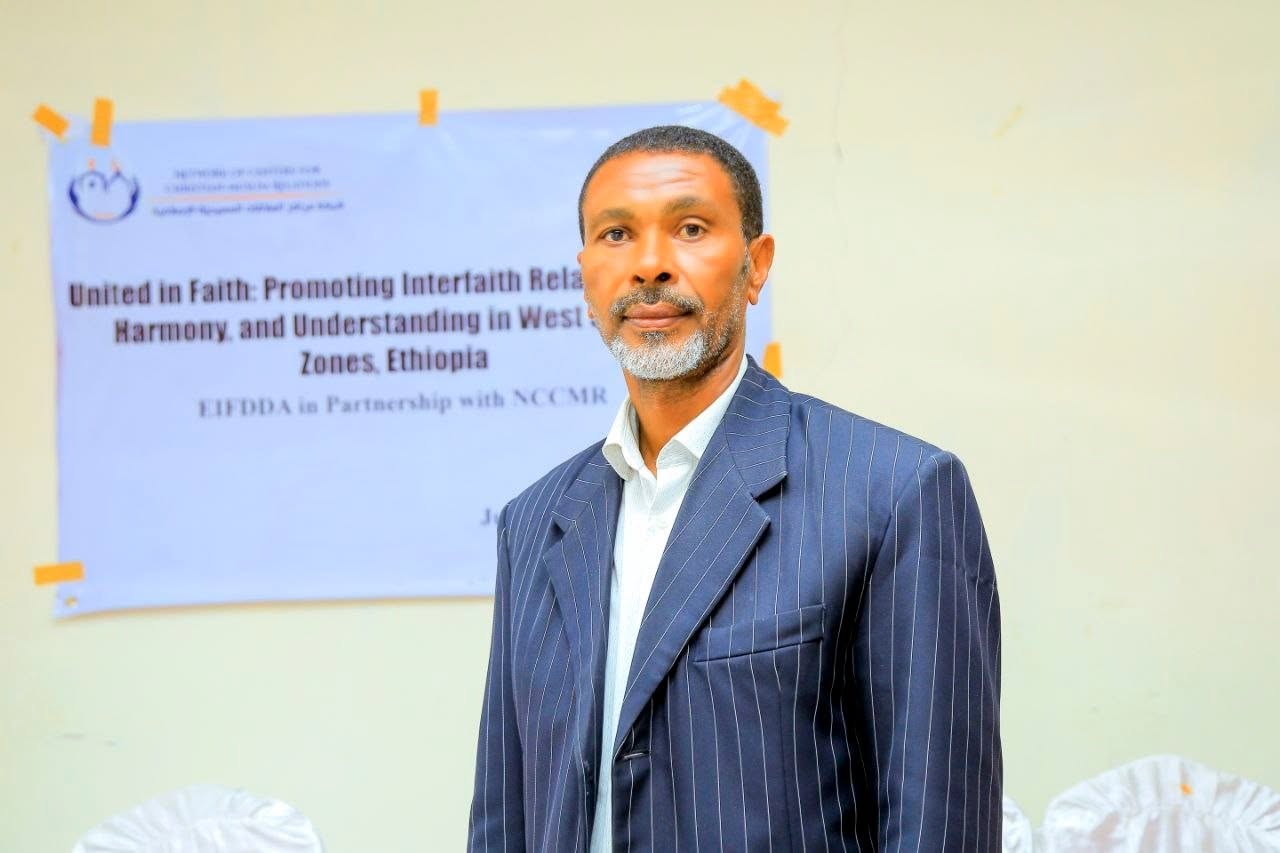
Between March and July 2026, the Ethiopian Interfaith Forum for Development, Dialogue and Action (EIFDDA), with support from the Network of Centers for Christian-Muslim Relations (NCCMR), implemented Rooted in Action in Ethiopia’s Holeta-Ambo corridor. The initiative responded to a context of growing urbanization, social change, misinformation, and weak coordination among local actors by strengthening existing community structures and creating practical opportunities for cooperation across religious and social differences.
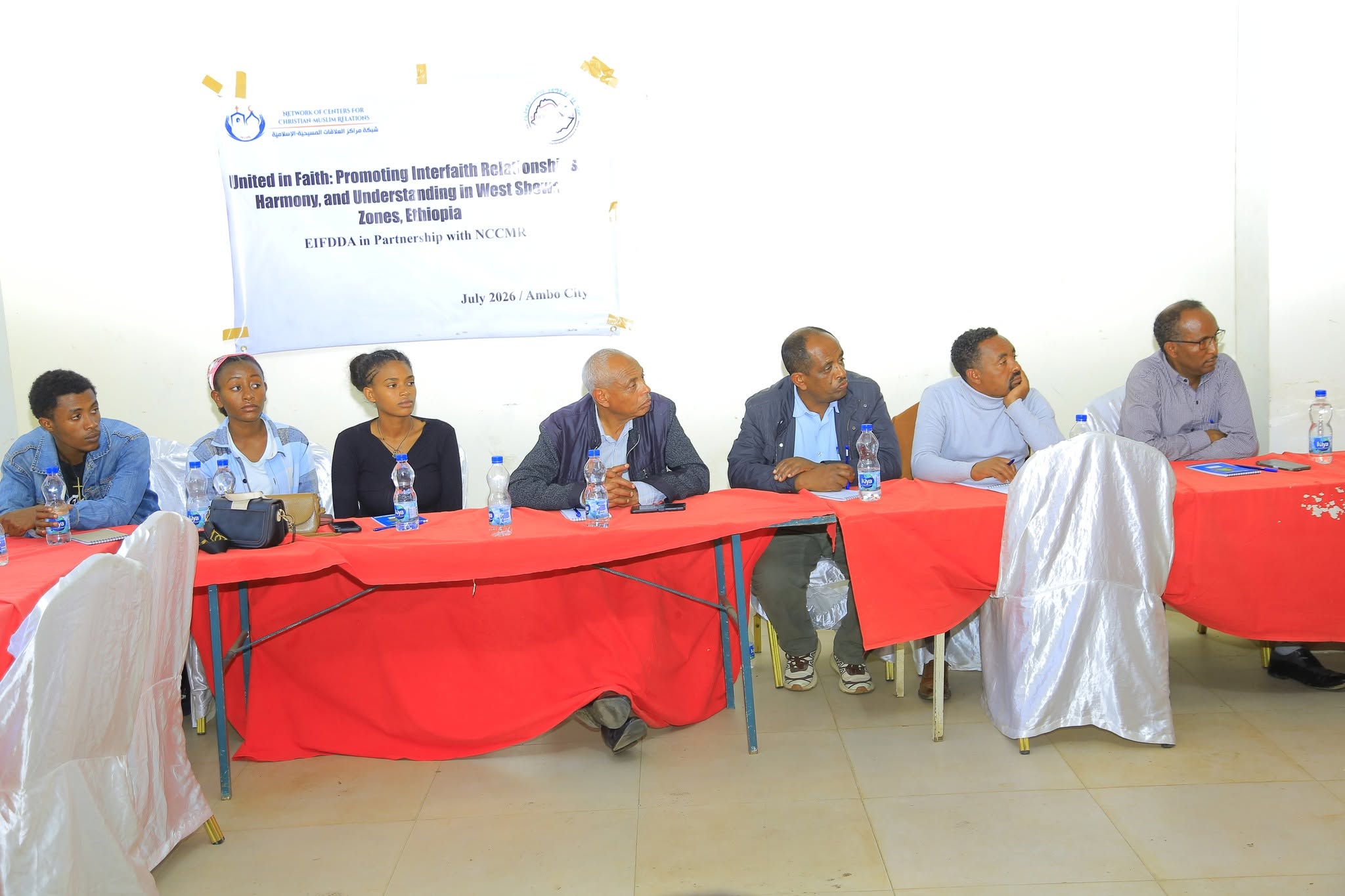
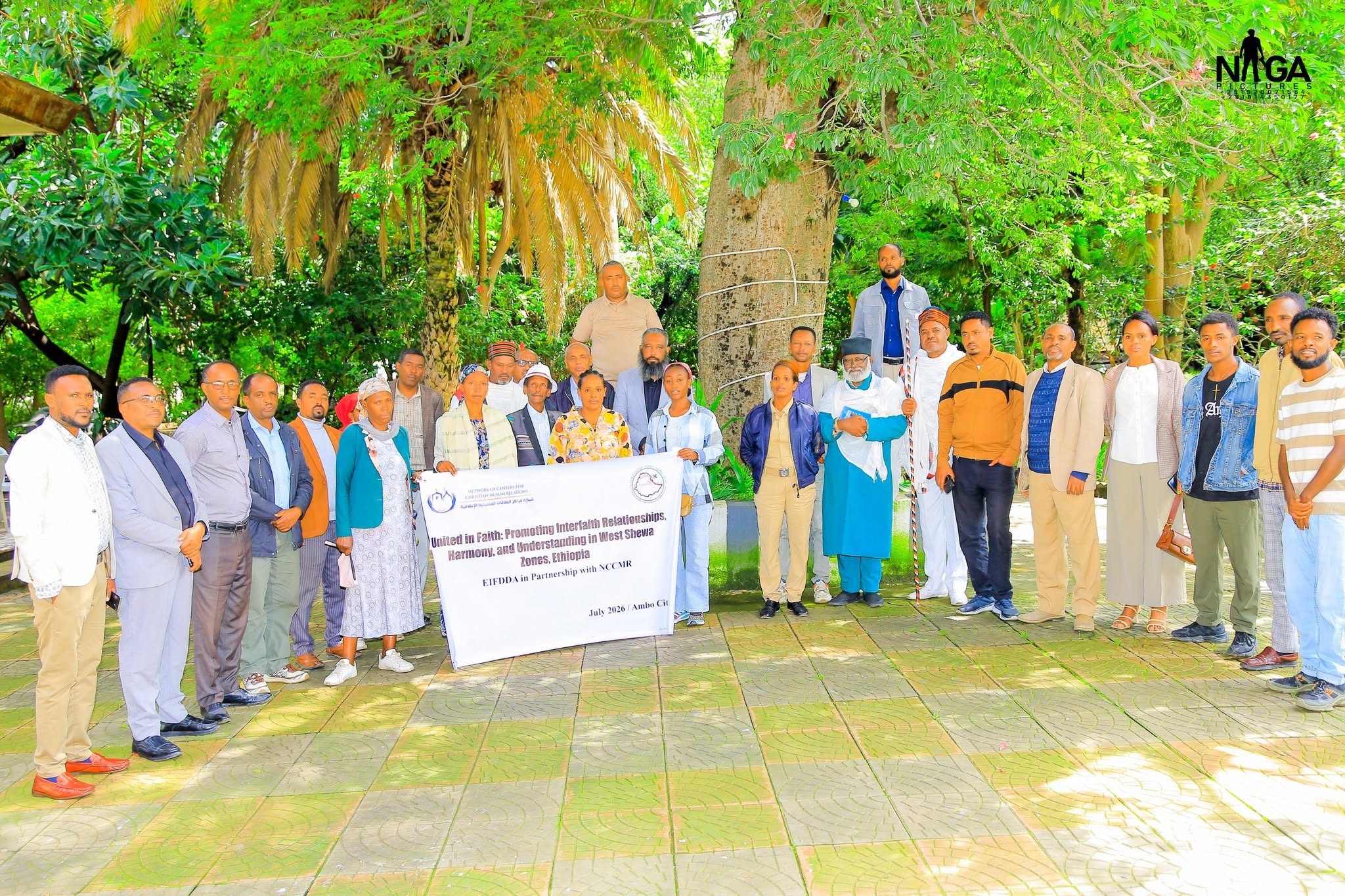
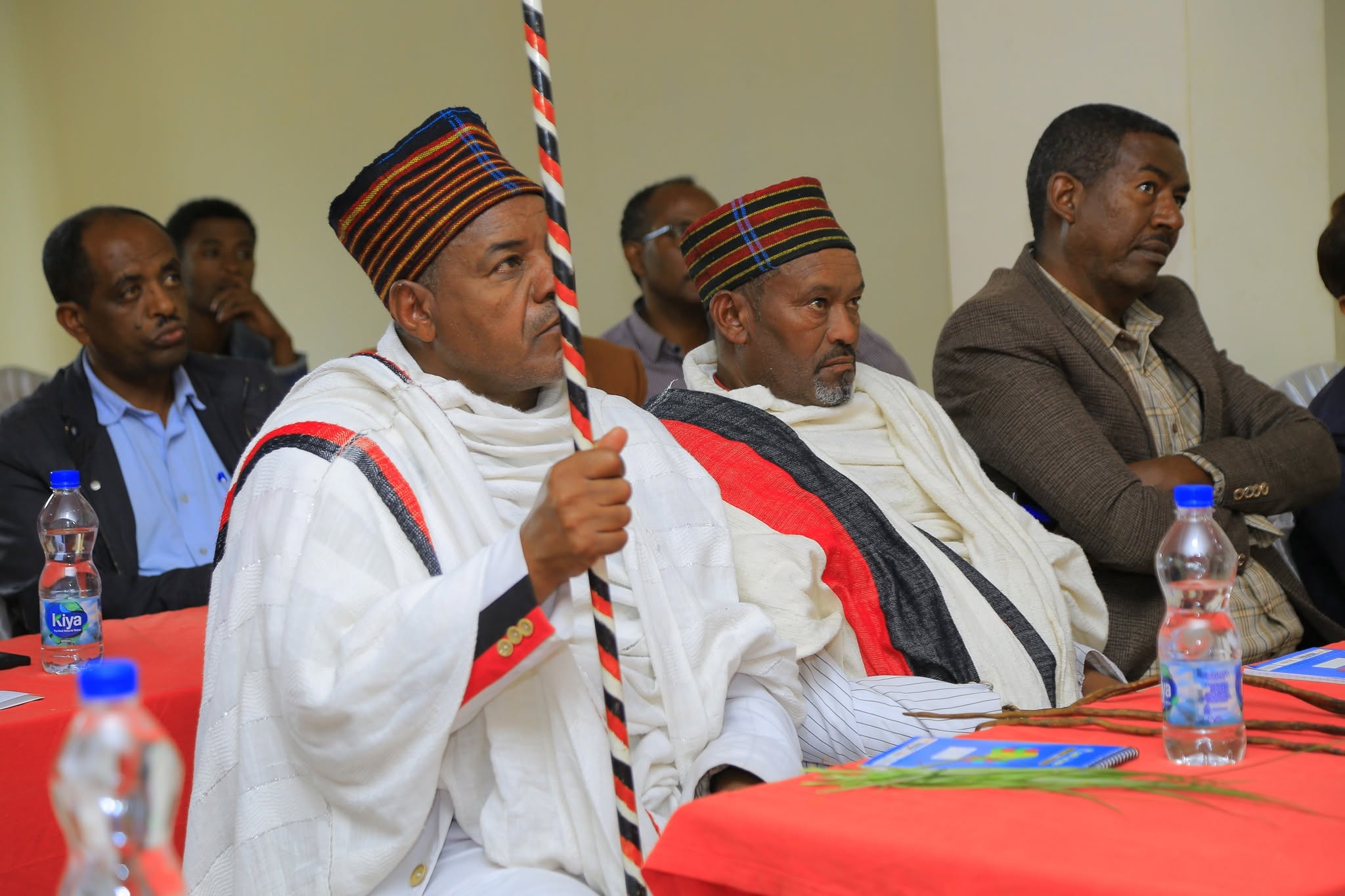
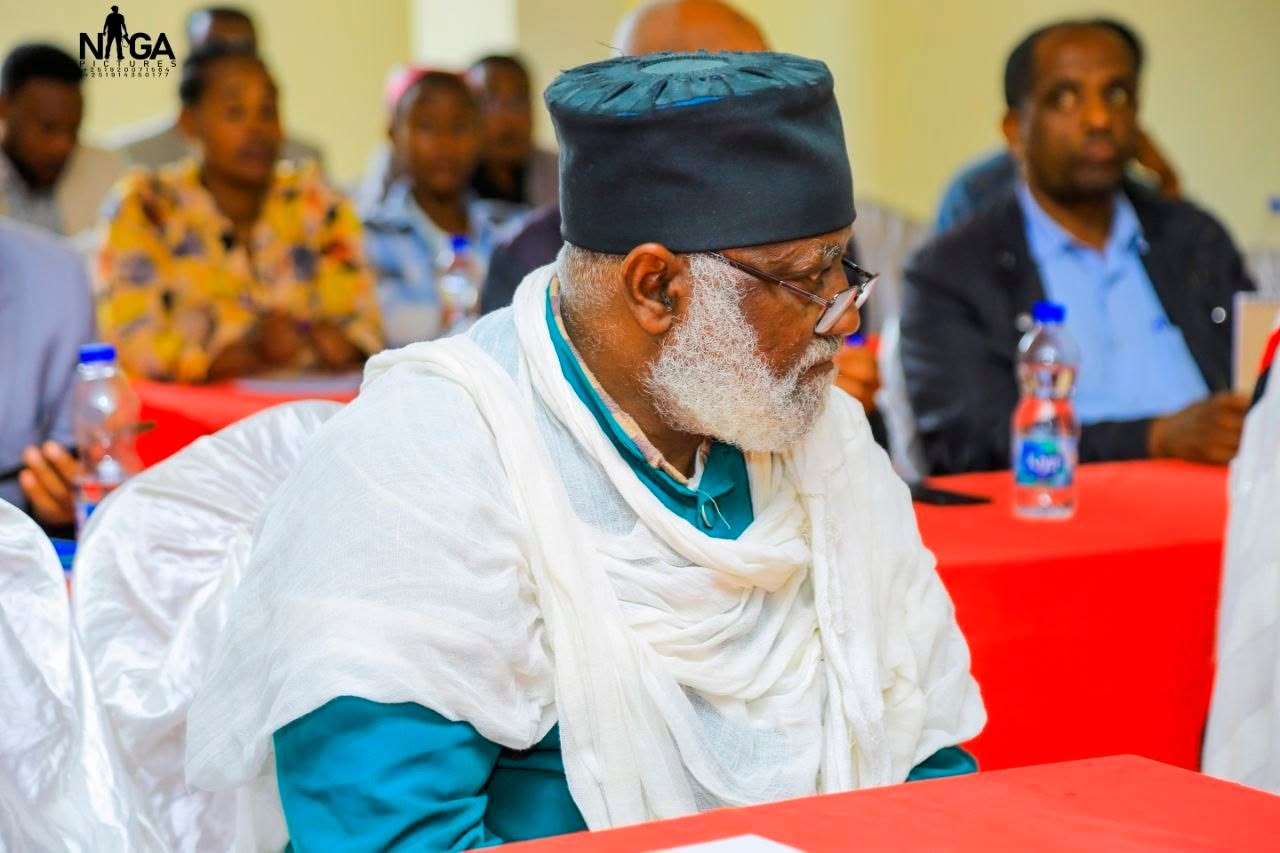
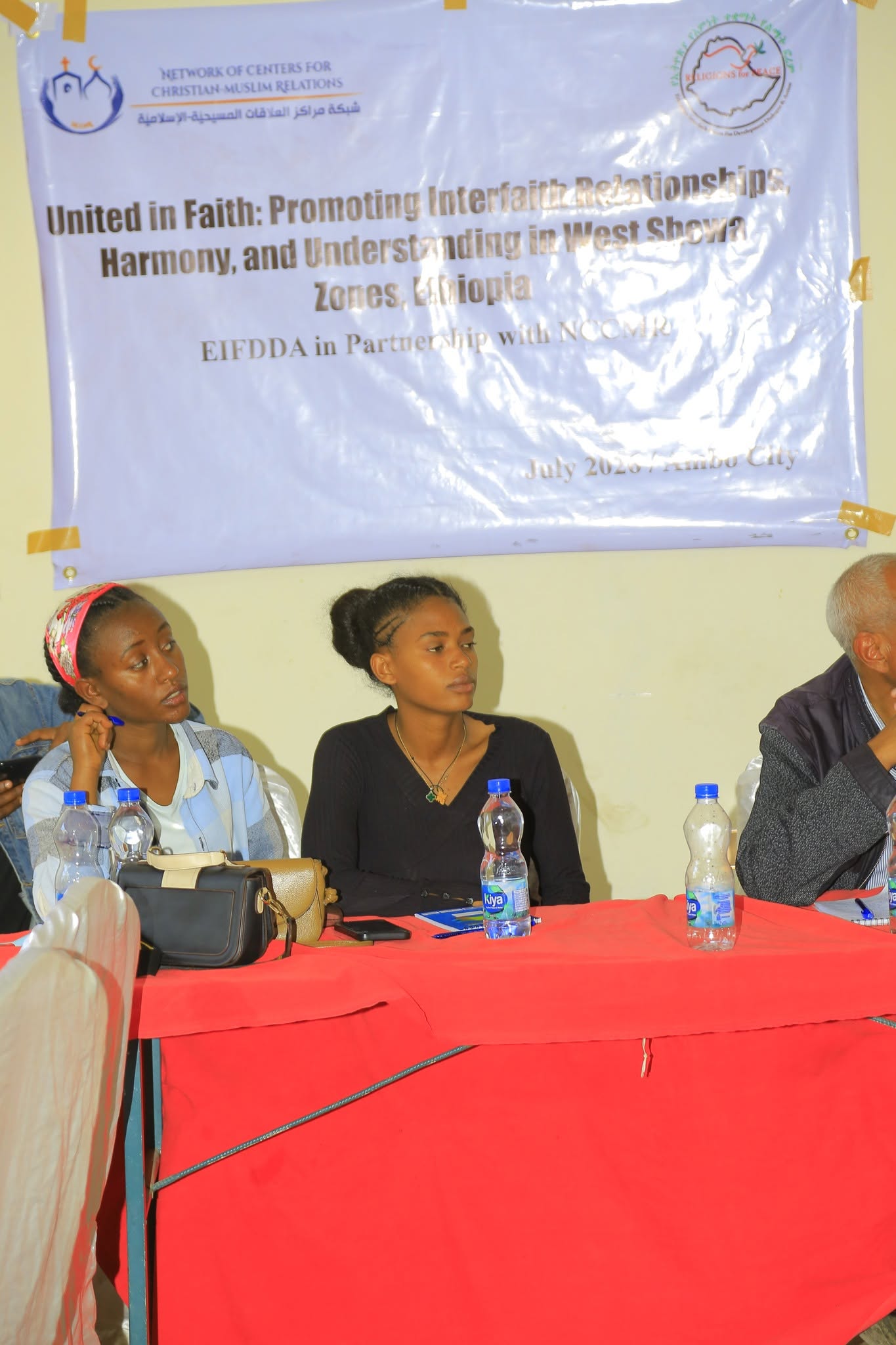
Rather than establishing a new mechanism, EIFDDA worked to revitalize the existing Local Interfaith Platform. Preparatory consultations with religious leaders, elders, community representatives, and local change agents helped identify gaps in coordination and representation. In July, 28 local change agents – 20 men and 8 women – took part in a two-day participatory training on conflict prevention, trust-building, reconciliation, social cohesion, Freedom of Religion or Belief, dialogue facilitation, and collaborative leadership. Participants represented Orthodox, Protestant, Catholic, Muslim, Oromo traditional leadership, women, youth, elders, and other community actors.
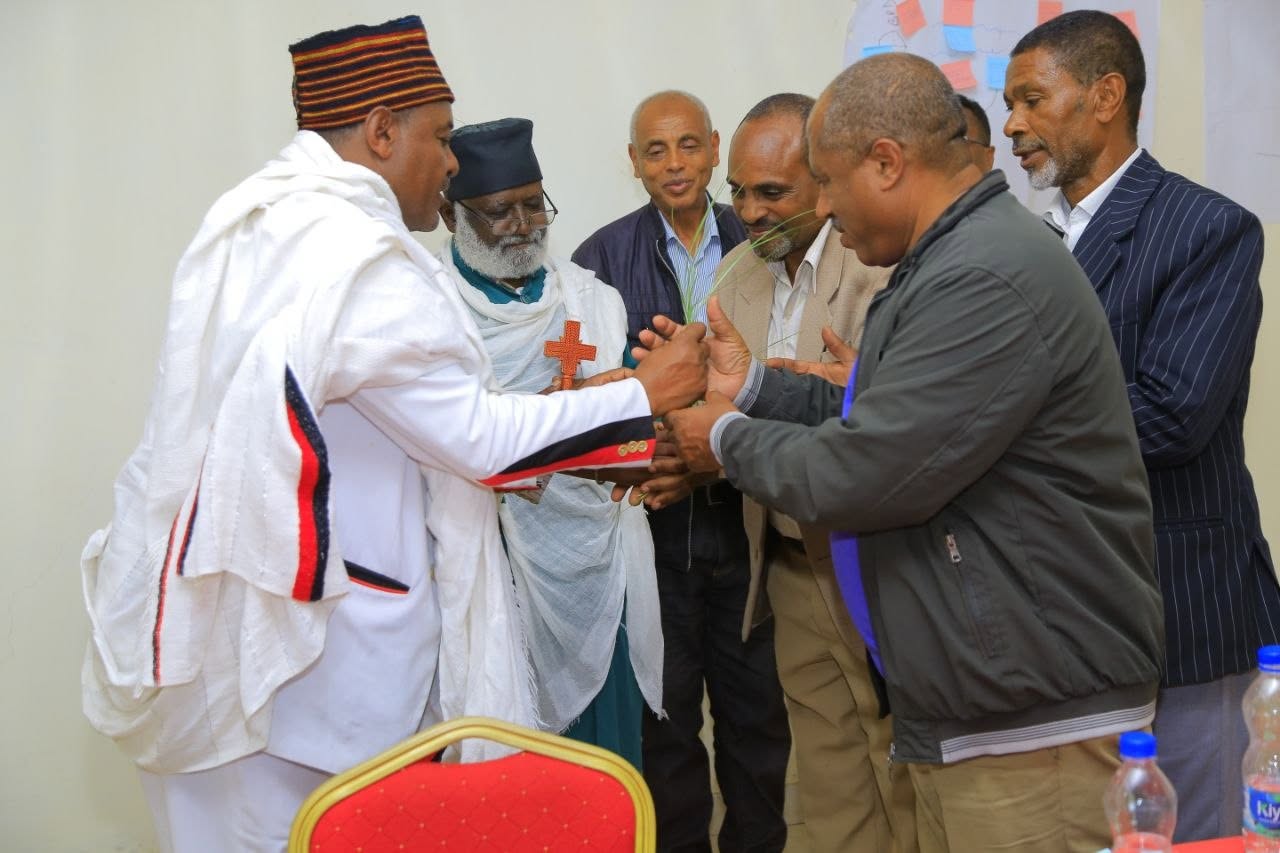
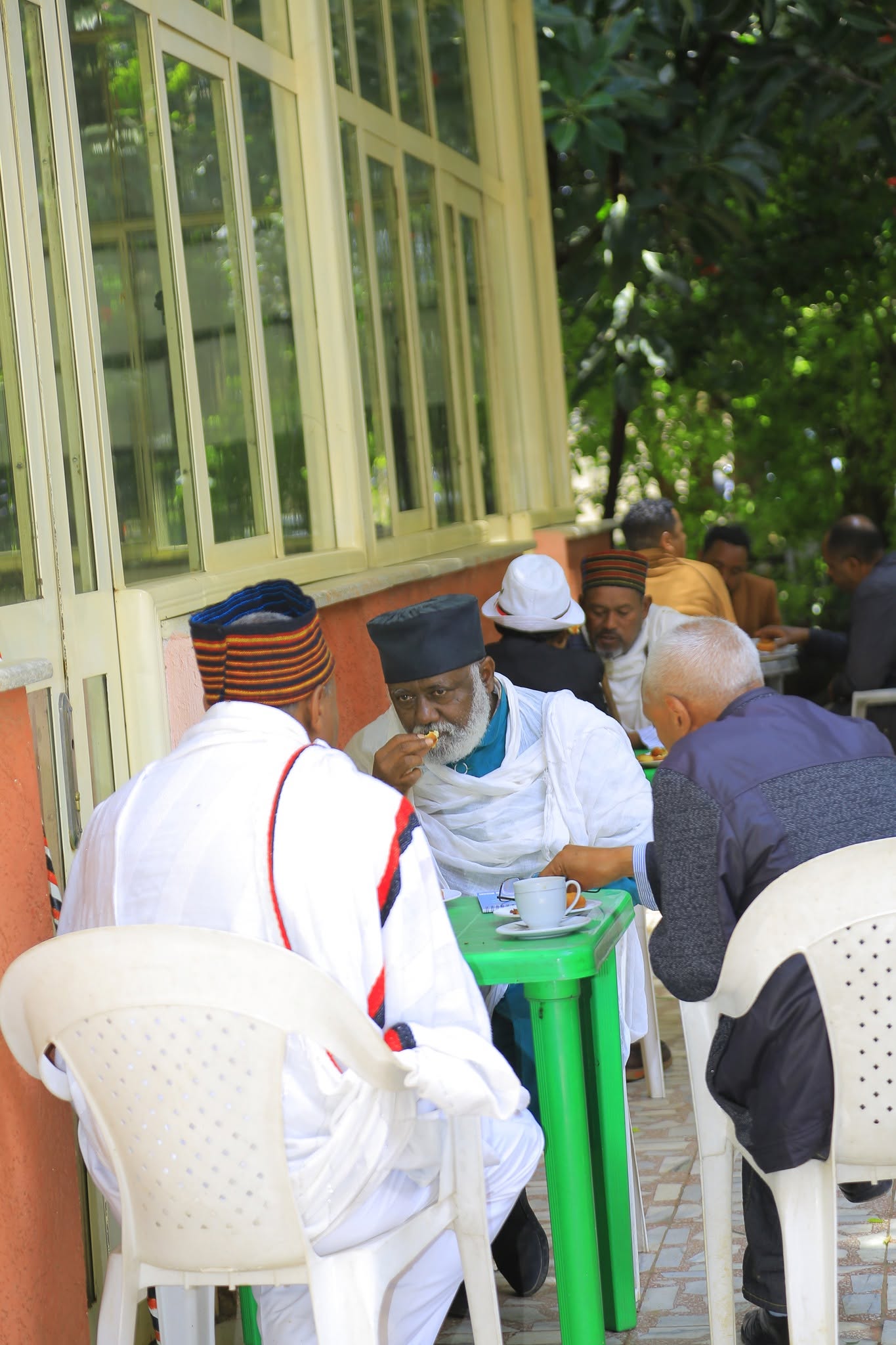
The training was followed by structured interfaith and inter-community dialogue sessions that enabled participants to discuss local concerns, address harmful narratives and misconceptions, identify shared values, and explore practical responses. Shared meals and informal conversations further strengthened relationships. The project deliberately linked dialogue with visible collective action through a joint tree-planting activity, symbolizing peaceful coexistence, reconciliation, environmental stewardship, unity in diversity, and shared responsibility for the future.
A key achievement was stronger local ownership. Participants reaffirmed their commitment to maintaining regular communication, sustaining the Local Interfaith Platform, addressing emerging community concerns together, and expanding collaboration to neighboring districts. Their feedback also showed that the initiative strengthened trust and renewed their commitment to peacebuilding beyond the formal project period.
The initiative also showed how a modest NCCMR micro-grant can generate meaningful local impact when resources are directed toward credible community actors, inclusive participation, practical skills, and existing networks. This approach strengthened Christian-Muslim relations while including traditional faith leaders and other community voices in Ethiopia.
Despite inflation, transportation costs, and temporary fuel constraints, EIFDDA completed the project’s core activities through flexible coordination and careful use of resources. The experience demonstrated the value of investing in trusted local leadership and existing community structures. With continued technical accompaniment from EIFDDA, the strengthened platform now provides a foundation for sustained dialogue, conflict prevention, and community-led peacebuilding, while offering a practical model that could inform similar interfaith initiatives elsewhere in Ethiopia.