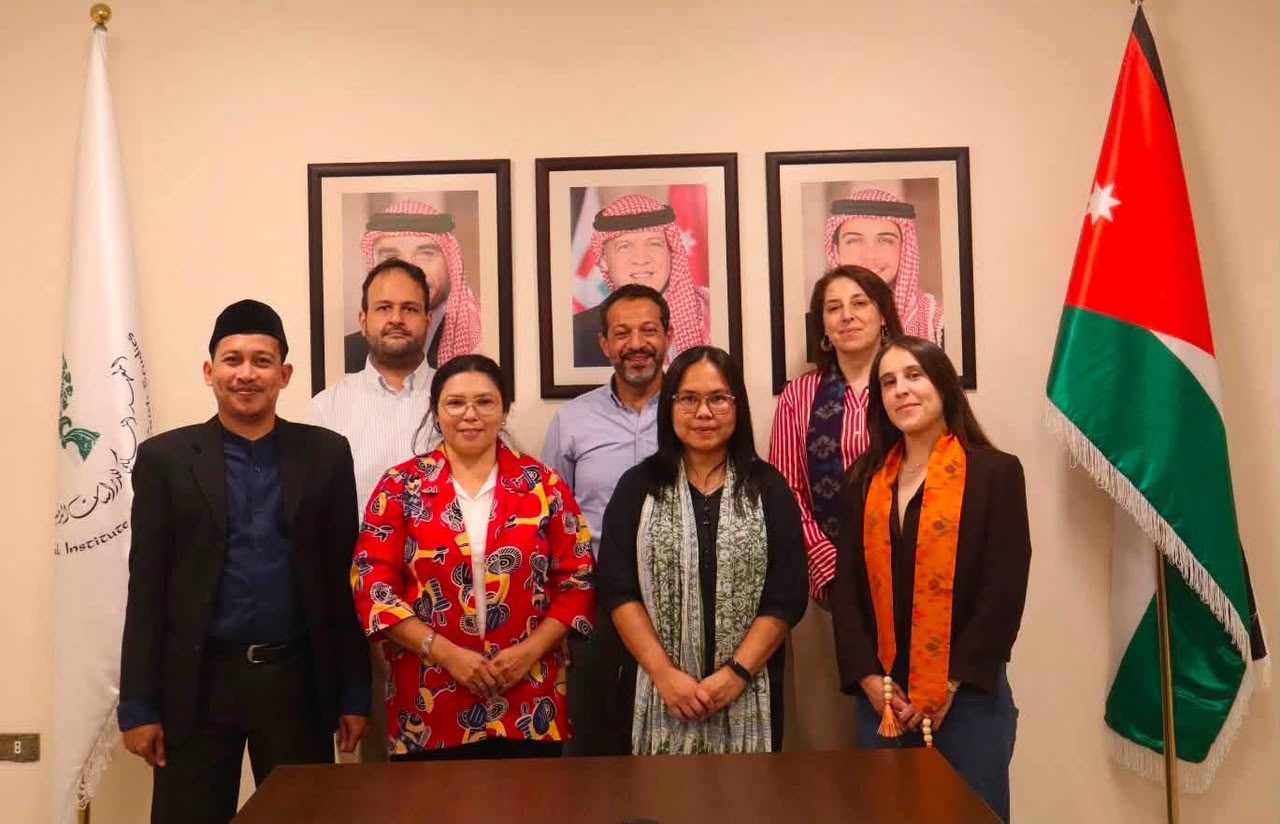
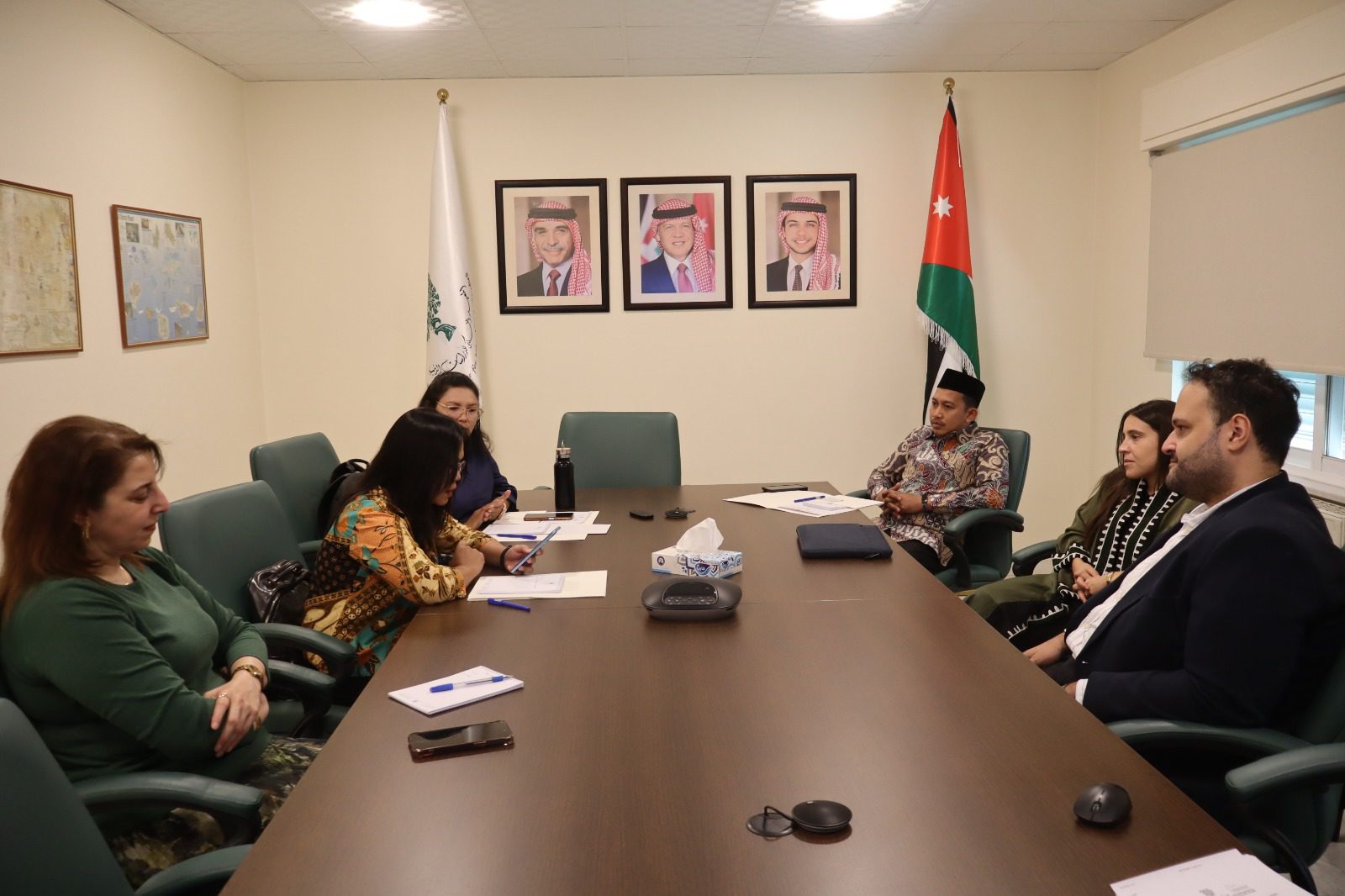
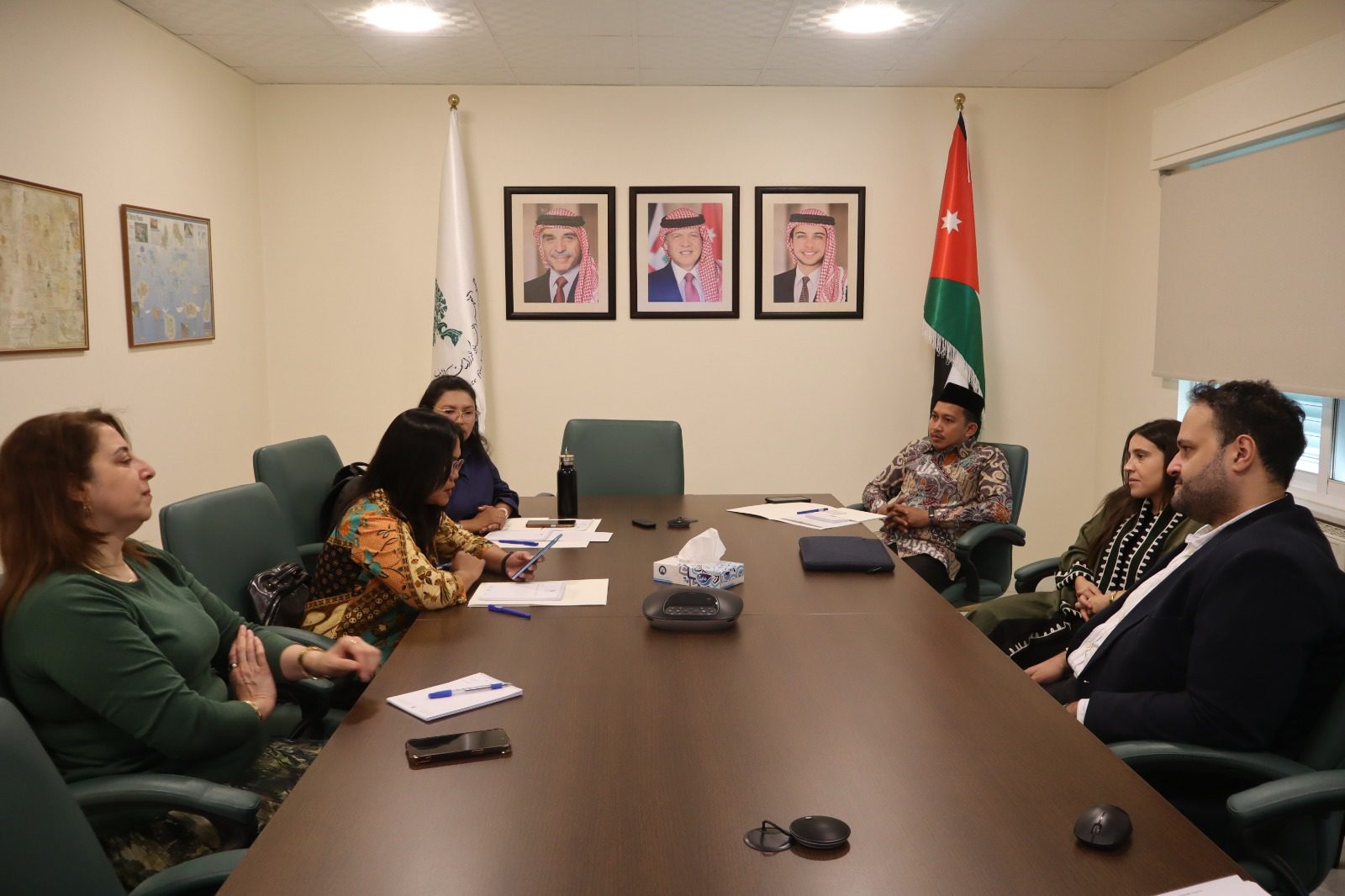
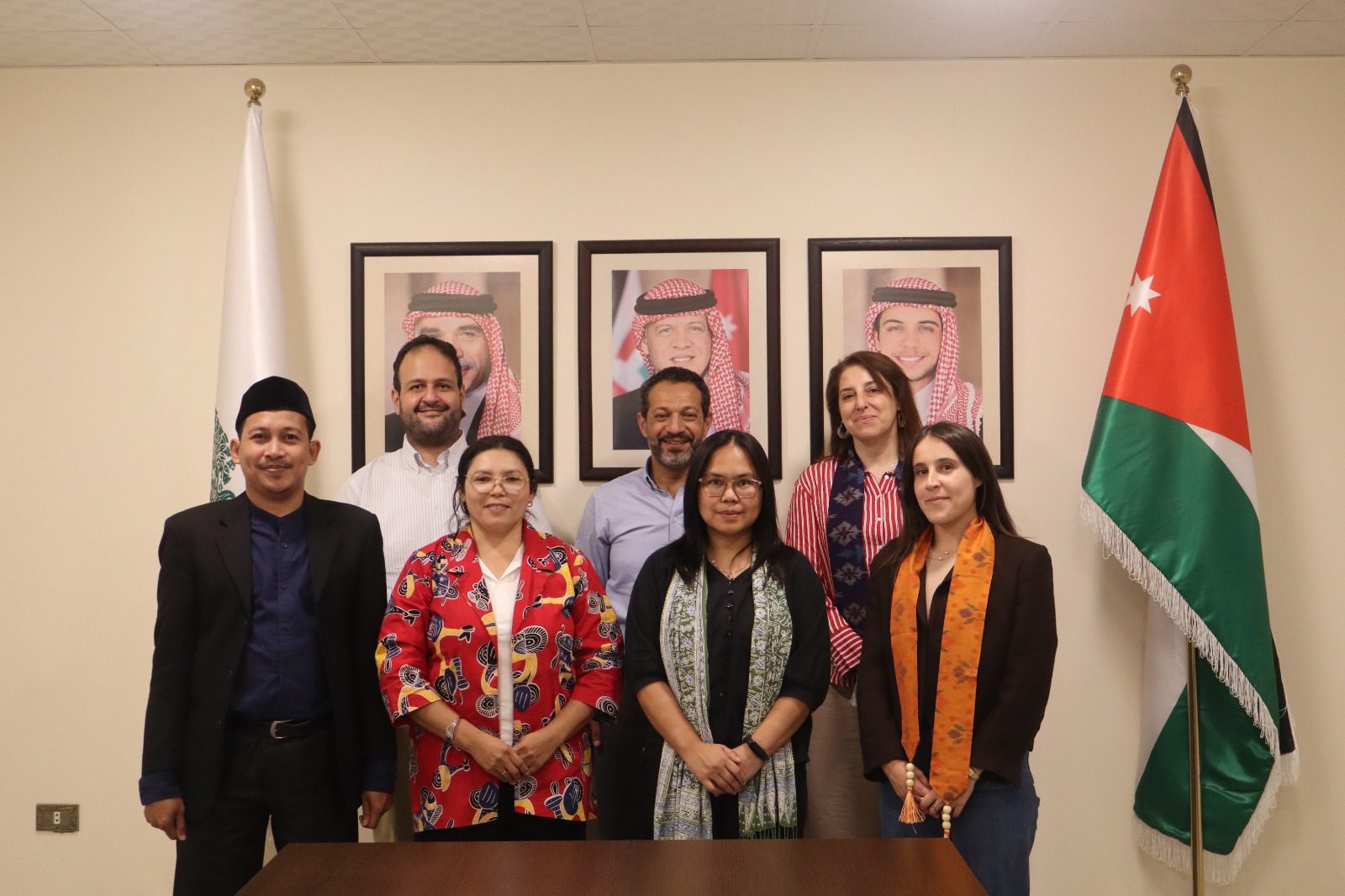
Originally planned to coincide with World Interfaith Harmony Week, this initiative was postponed due to regional conflict and ultimately held in August 2026. The three-day workshop was hosted by the Royal Institute for Inter-Faith Studies (RIIFS) in Amman, in collaboration with the Leimena Institute (Indonesia) and with the generous support of the Network of Centers for Christian–Muslim Relations (NCCMR). It examined the city as a shared space of encounter, pluralism, and interfaith dialogue.
The workshop set out to build a practical, bottom-up framework for grassroots interfaith dialogue and to introduce participants to research methods—archival work, flânerie, urban ethnography, and literary sources—that can be used directly with students and trainees. A central aim was to bring the case of Amman, approached through an urban-spatial lens, into conversation with the Leimena Institute’s Cross-Cultural Literacy program and, in doing so, to present Amman and its historical experience of religious coexistence and pluralism as a case study for comparative reflection among international partners and practitioners.
The first day was devoted to methodological discussion, establishing shared approaches for reading religious and cultural pluralism through everyday urban life, architecture, and literature.
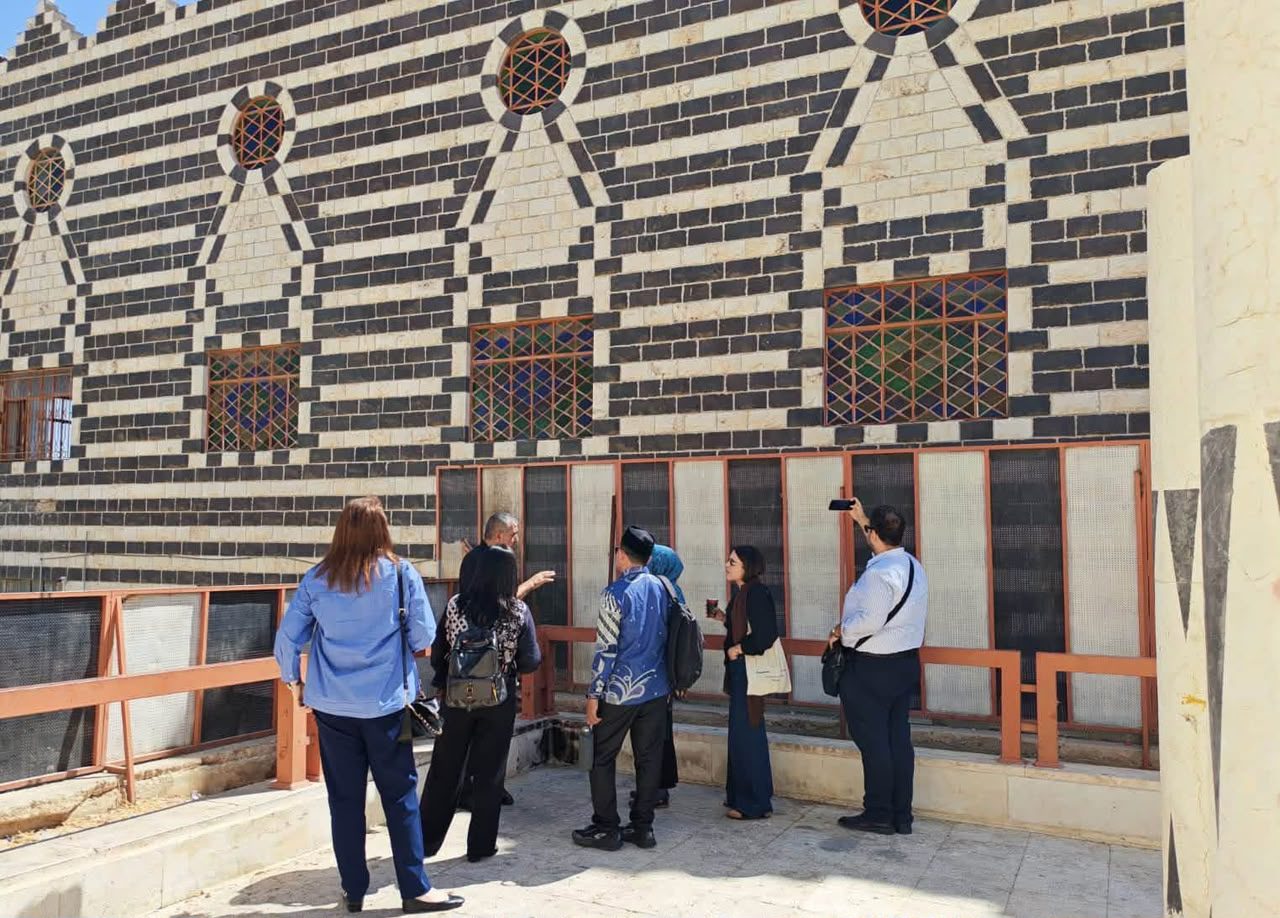
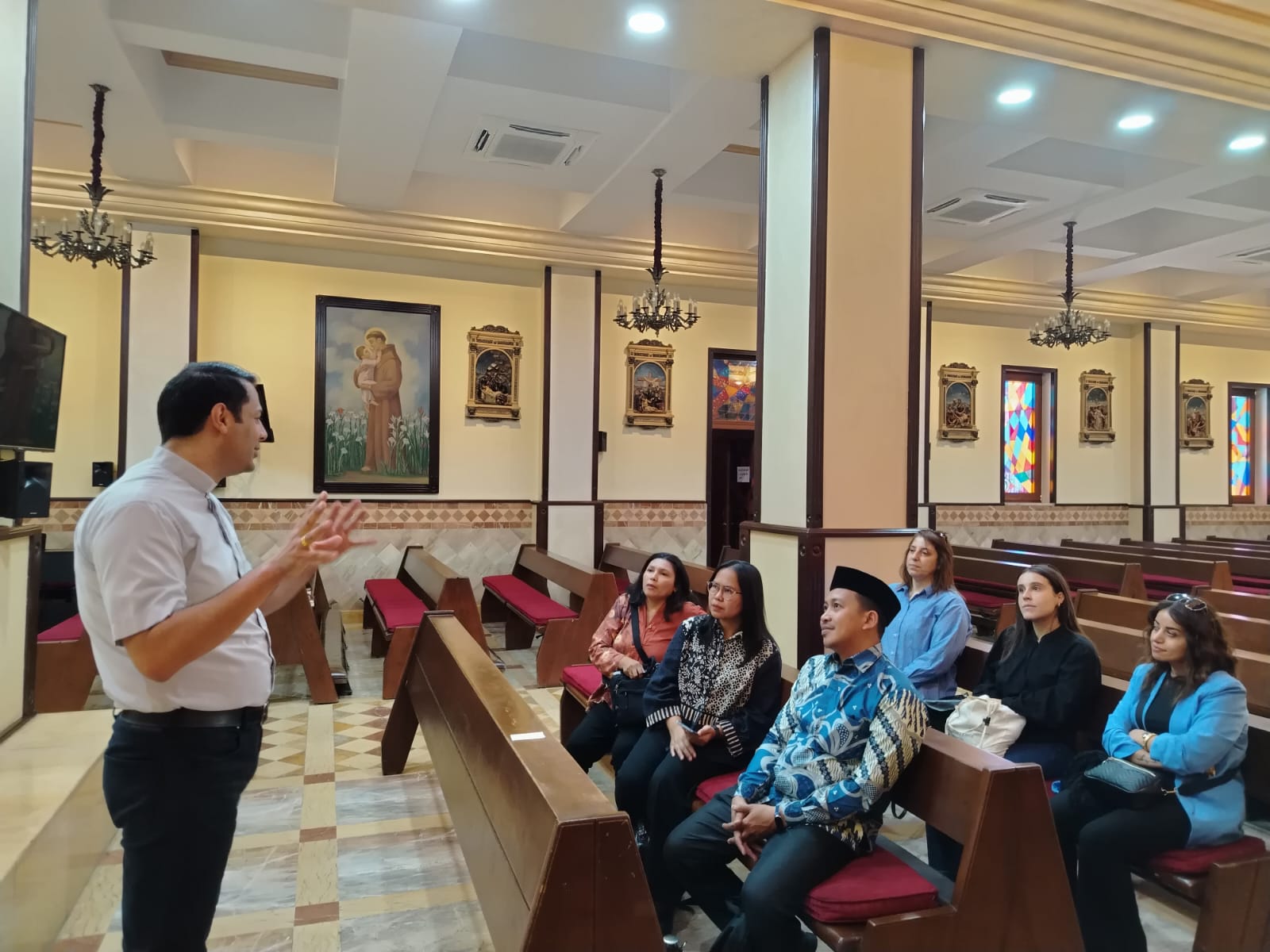
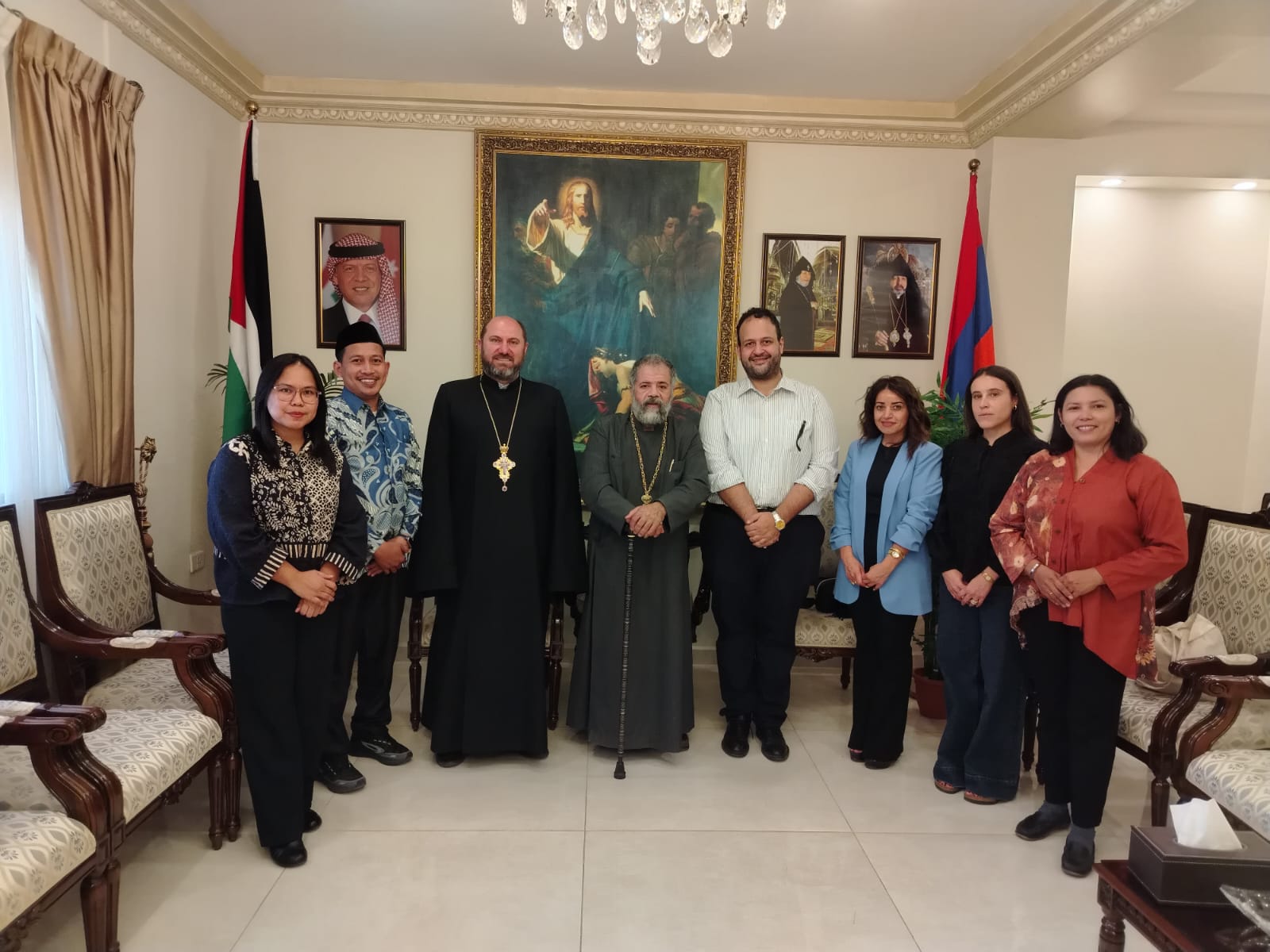
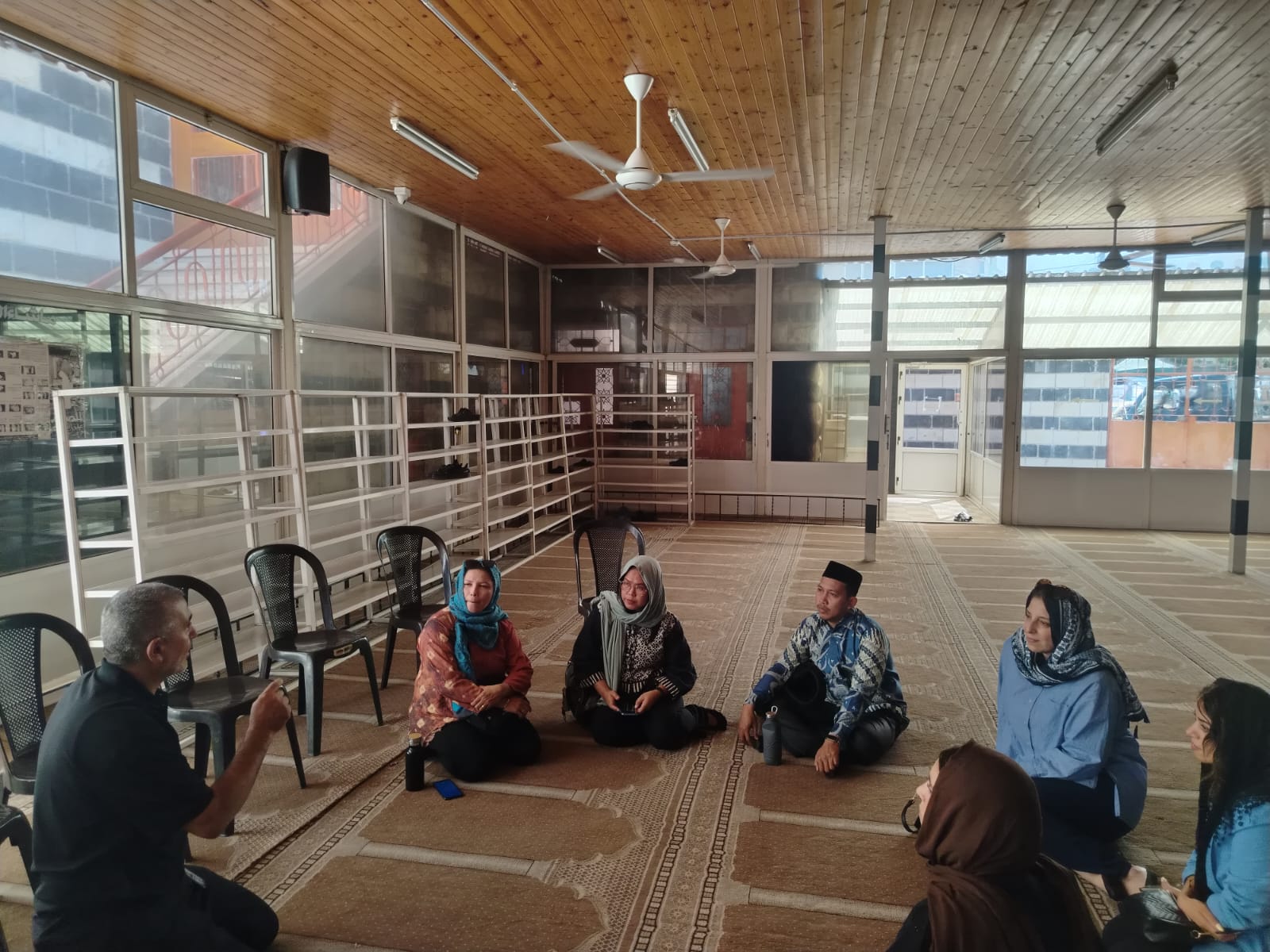
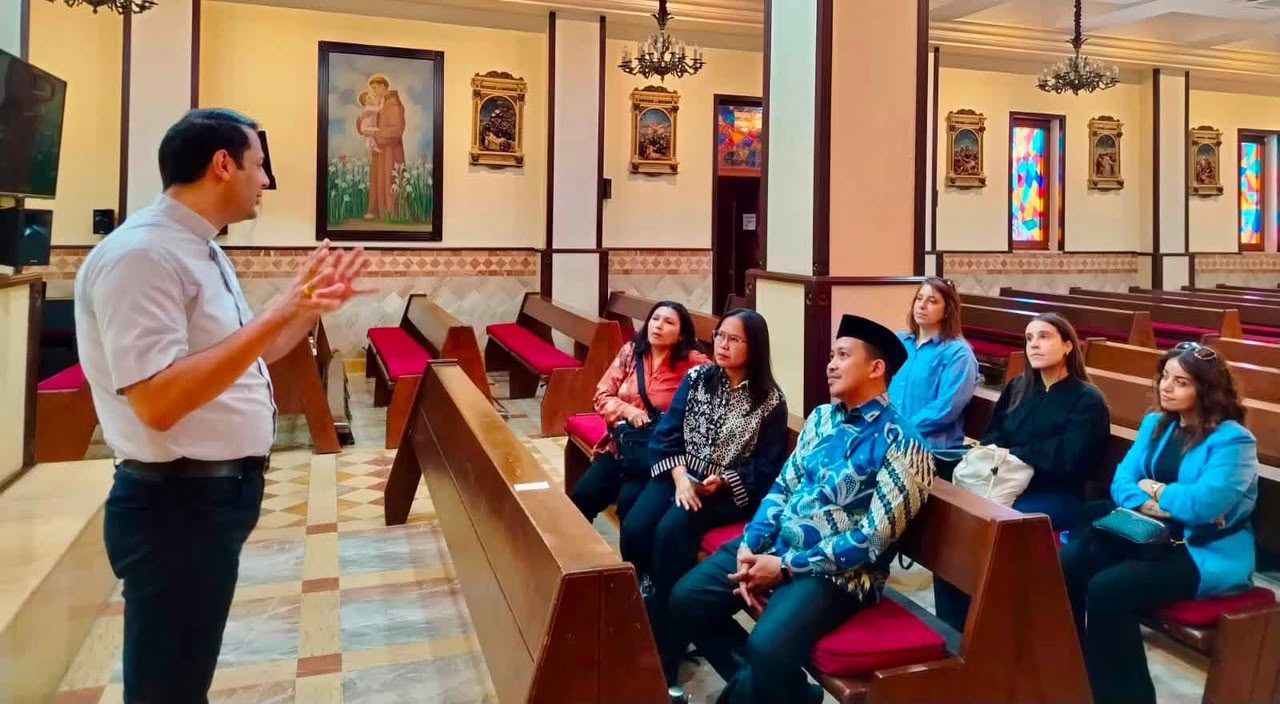
On the second day, participants moved into the field, with visits across the historic neighborhoods of Ashrafiyeh and Al-Misdar. At the Abu Darwish Mosque, participants explored the mosque’s Levantine-style architecture and learned about its construction by a Circassian benefactor. At the Armenian Orthodox Church, Father Avedis Mateos Ipradijian spoke about the history of the church and the Armenian community, as well as the lived experience of Christian–Muslim coexistence in Jordan. At the Latin Catholic Church in Al-Misdar, Father Sleman Shoubash discussed the parish’s history, its community service, and its role in local interfaith initiatives. The day concluded at the Jesuit Refugee Service, where participants examined institutional frameworks that support refugees and migrants and promote community integration in the country.
The final day was set aside for synthesis, with participants evaluating the workshop’s outcomes and discussing how to integrate the urban methodologies explored in the field with the Leimena Institute’s cross-cultural literacy frameworks in future educational modules.
The workshop strengthened the institutional partnership among RIIFS, the Leimena Institute, and NCCMR and laid the groundwork for practical, place-based pedagogical tools linking urban heritage conservation with interfaith education. It also framed Amman’s urban history as a living model of religious pluralism and social cohesion, generating documentation intended for wider dissemination.
The workshop also enabled RIIFS staff to draw on the Leimena Institute’s experience in Indonesia, while both teams reflected on their differing institutional and social contexts as part of a broader Global South–Global South exchange.